Showing posts with label dip. Show all posts

Thursday, April 11, 2013

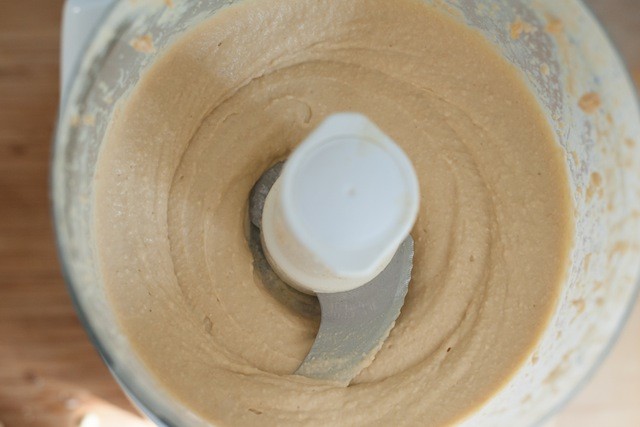
Homemade Sesame Garlic Hummus from Soaked Garbanzos


Sesame Garlic Hummus by Nourishing Creations

1 cup dried Garbanzo Beans- Soak overnight in warm water. In the morning change the water and add more warm water- soak until white sprout tips begin to emerge.  Then cover with water and cook in Crock pot on High for 3-4 hours until tender. Let cool. Reserve cooking liquid.


Remove Skins from garbanzos by sliding the bean out of the skin. This step yields a smooth hummus and I highly encourage this! It’s worth the outcome!

Then Place cooked garbanzos in a food processor or blender with:
1 grated clove garlic
2 tablespoons tahini (sesame seed and oil paste)
juice from 1 lemon
2 tsp garlic powder
1 tsp onion powder
1-2 TSP sea salt to taste
Pour 2+ Tbsp Olive Oil and
1-2 TBSP sesame oil while blending/pureeing.
Add reserved cooking liquid if needed to thin.


Blend until a smooth puree.  Taste and adjust seasonings to your liking.
Drizzle with olive oil and sesame Seed garnish.
Serve with pita triangles, veggies, crackers and more!
ENJOY!

Tuesday, March 8, 2011

Crispy-Nut Crusted Mahi Mahi

Crispy Soaked Nut Crust on Wild Caught Mahi Mahi

This nut crusted white fish is perfect- and its also fun to try different foods to make crusts with besides bread crumbs or wheat flour.   I still eat gluten, but it's great to vary the ways to prepare foods besides relying on wheat flour. I think it's a great way to vary the mineral content of one's food intake.


How-To and Recipe:
  • Finely chop crispy nuts in a food procesoor- these are nuts that have been soaked and dehydrated- to improve their digestability and mineral availability.  
  • Lay nut flour out on a plate or shallow bowl and combine with desired spices- you could make this cajun, spicy, lemon pepper and so on- it's up to you!
  • Mix egg whites (I have a bunch of these as leftovers from using egg yolks in smoothies)  with some milk to use as a coating to get the nuts to stick.
  • Cut fish into your preferred size pieces- then cover the fish with egg mixture.  Then coat the fish with the nut and spice dredging.   
  • Heat your frying pan VERY hot with ghee or coconut oil (a fat with very high heat stability- butter will burn because of milk solids in it. Never heat olive oil this hot-it destroys the vitamins and fats in it.) Make sure there is 1/4'' of oil in the pan so it doesn't stick.
  • Place coated fish into the hot oiled frying pan and sear the outside nut crust so it doesn't fall off.  Leave on one side for 2-3 min. Flip to other side until crisply browned- then reduce heat to finish cooking the fish for a few minutes depending on thickness.   It doesn't need very long- overcooked fish is no good.
I always love to serve my fish with tartar sauce- a guarantee to get my child to eat it as well. She loves homemade tartar sauce by the spoonful! Which is fine by me because it's only made with the best ingredients!


Enjoy!
-Nourishing Creations-


Posted at Monday Mania: http://www.thehealthyhomeeconomist.com/2011/03/monday-mania-3142011/

Sunday, February 6, 2011

Homemade Crispy Wild Caught Fish Sticks


   When you make this simple Homemade fish sticks recipe, using REAL wholesome ingredients you are saving yourself and your family from consuming preservatives and fake fillers and oils that contribute to inflammation.   (Have you seen the length of ingredients labels on boxed frozen fish sticks!  Ridiculous!)
   Frying in REAL oils that aren't rancid or heat damaged, will ensure you keep your arteries healthy and protect you from the risks of inflammation which is triggered by using rancid soybean, corn or safflower oils.     Real fats include butter, lard, tallow, coconut and palm.  Olive oil is  healthy fat, but better left off the stove top and on a salad instead.  If you do cook with olive oil (I sometimes do) you keep the temperature low-medium and add some heat stable fats like butter. I mix olive oil and ghee or butter to improve the heat stability of the olive oil.


Homemade Crispy Fish Sticks: A Simple Kid-Friendly Recipe


You will need:


1 cup flour of choice for dredging (I used gluten free for this one!) Sprouted is preferable
      -Spices of choice: sea salt, pepper, paprika and fresh lemon zest
1 egg or 2 egg whites (I have a lot of these leftover from using egg yolks, so I used up egg whites!)
3/4 cup milk (great way to use up soured raw milk too!)
1 lb wild caught white fish of choice. I used Wild Cod, but halibut or other white fish would be great too!


Ghee, Coconut Oil or Palm Oil for frying.

How To:


Pour one cup flour onto a shallow bowl or dinner plate, add spices and mix with a fork.

Mix egg and milk in a bowl, deep enough to coat fish.

Cut fish into strips.

Heat oil in a large frying pan.

Place as many fish pieces as will fit into milk-egg mixture.  Place each coated piece onto plate of flour and turn until all sides are coated.  Transfer to hot frying pan.  Leave on one side for 3-4 minutes until crispy, then turn to other side.  Fish sticks will cook quickly and don't overcook them or the breading will come off in the pan.  It's very important to add them to an already hot pan.

These are fabulous dipped with  
Grandma's Homemade Tartar Sauce - it only takes 4 minutes or less in the food processor!

Enjoy!

-Nourishing Creations-


Posted at Monday Mania http://www.thehealthyhomeeconomist.com/2011/02/monday-mania-2142011/#more-2116

Tuesday, December 14, 2010

Grandma's Homemade Tartar Sauce

Tartar Sauce is a nourishing freshly made sauce, tailored specifically to seafood dishes.   Serving a condiment full of probiotics and healthy fats ensures optimal digestion and absorption of all those beneficial nutrients like Omega 3 fats, that are found in wild caught fish.


   I enjoy homemade tartar sauce with lemony wild caught salmon, pan friend wild halibut, salmon dill burgers or patties, and is a favorite "dip" for the kid friendly homemade fish sticks!  Check out my recipe for Lemon and Dill Butter Baked Salmon!


  I have fond memories from childhood of my grandmother's homemade tartar sauce. As a child, every Friday after school I would visit my grandparents and it's was a guarantee that their traditional food ways would provide me a nourishing meal!  That meal was almost always fresh crispy but tender pan-fried salmon with homemade tartar sauce! (And, my older siblings and I would always joke about how their house always smelled like fish!) My grandfather was a chef for the army, and my grandmother cooked at home a lot too. She also passed on all her canning jars to me when I found them hidden in her basement pantry- just waiting to be used again!  I wish I could go back in time and ask my grandfather all his recipes.  I do remember him having a little black book that had a lot of recipes in it, maybe I can track it down one of these days, because i'm sure it's full of Real Traditional recipes that I've grown a passion and taste for.  Maybe I can find his recipe for fresh tender venison- one of his favorites.


  When I was a little older, I remember asking my grandmother what went into their yummy tartar sauce, as I think my growing body was craving those healthy fats!   She couldn't recall the exact recipe, but she knew it had pickle relish and dill.


  Over the years, I attempted to re-create their mouth watering tartar sauce that I sought after in my growing years.  Here is my treasured taste bud sharing!


Grandma's Homemade 
Tartar Sauce


You will need:


  • 1 cup Sour Cream and/or Homemade Mayo (sour cream made with real cultures with ensure you get probiotics and enzymes with your meal. Homemade mayo is often made with added whey to ensure enzyme content.)
  • 1-2 Tblsp Capers, with their juice
  • 1-2 Tblsp Pickle Relish, for a probiotic benefit- make your own relish by finely processing homemade lactofermented pickles.
  • 1 slice Chopped White Onion
  • Juice of 1/2 lemon
  • Fresh or Dried Dill
  • Sea Salt and Pepper to taste
  • Optional:  1-2 Tablespoons cultured buttermilk-  it just makes it taste like grandmas!  But it's not required to make it!


Combine onion, capers, relish and pulse in food processor.  Add lemon juice, sour cream/mayo, dill, spices and buttermilk.


Pulse in food processor until well combined and creamy.


Dip or Pour onto your favorite fish!


Homemade Tartar Sauce on Wild Caught Baked Salmon
    My daughter likes to drench her fish in this sauce, and sometimes just eat the sauce by the spoonful!  And that's ok- it's full of nutrients and healthy fats!


Let me know how you like it!


-Nourishing Creations-


Find this post also at the  Hearth and Soul Blog Hop!

Tuesday, November 9, 2010

Artichoke Spinach Cheese Dip

What's not to love about artichokes, cheese and spinach?  Mix it all into nourishing dip that everyone will love!  You can enjoy this spread on some sprouted grain tortillas, organic corn chips or even as a spread on sandwiches! Now you can skip the tub of dip at the store- and it's hydrogenated and refined oils- and opt for a homemade nourishing artichoke cheese dip you can easily make yourself in just a few minutes!


Artichoke Spinach Cheese Dip

10-12 artichoke hearts ( You can used bottled or canned- this is about one can.)
2 large handfuls of spinach (you could add frozen but thawed spinach as well.)
2 cloves of garlic
  ^ Throw these ingredients into the food processor.
Then Add:
1/3 Cup Homemade Mayo
  -Pulse
Add 2 cups (or more!) of freshly grated cheese- preferably a combo of grass-fed raw cheddar, Parmesan or Romano, and mozzarella.

Any of these cheese's will work- but I really enjoyed combining them!

Then pulse the cheese into the mixture until just combined.  You can eat it cold as a spread- but it's even BETTER, if you warm the mixture in a saucepan for about 5 minutes while mixing the whole time, so it doesn't burn.

Serve warm, with corn chips or tortillas!

This post is part of  Real Food Wednesdays at Kelly the Kitchen Kop.
And  Wheatless Wednesday's at Naturally Knocked Up!

Saturday, September 13, 2008

Lemon and Dill Butter Baked Salmon


The time has come my little friends, I must share with you how to make Salmon. Salmon has been my staple meal for the past several years. It's the base of all cooking I know. Growing up we'd eat Salmon quite often, and even visiting my grandparents their house smelled of Salmon (not always a good thing, but I loved eating it when they had just made it- usually on Friday afternoons.) Don't be intimidated by fish- it's one of the easiest and most nutrient dense foods you can make.


Lemon and Dill Butter Baked Salmon

You'll need:
~1lb Wild Salmon
Extra Virgin Olive Oil (enough to coat pan and drizzle fish)
Fresh Lemon Zest or dried Lemon Peel,
Fresh or Dried Dill
Butter ~2tbsp


Preheat Oven to 350 degrees. 1lb salmon = ~4-5 servings. Coat baking pan with extra virgin olive oil. Place Salmon in pan skin side down (or you can go skinless.) Drizzle extra virgin olive oil over salmon fillet. Here's where you can choose what goes on.
 Easiest way: Sprinkle dried Lemon peel and dried dill weed over salmon. A little more fancy: Zest one lemon over the salmon, or a lime, chop fresh dill and rub over salmon with the zest. Then place pieces of butter over the fish and seasonings. Then butter will melt over the Salmon as it cooks. Bake for about 10-15min depending on fillet thickness.

Serve with my Grandmas Homemade Tartar Sauce Recipe!

 
Salmon fillet with fresh dill, lime and lemon zest, topped with butter to be melted!

When fish is done, I flip it over and scrape the skin off with a think metal spatula. It comes off much more easily when it's cooked, but be gentle with the delicate fish. Note: Keep as much brown fat on the salmon as you can. OR just serve with skin on! Serve with Lemon slice from zested lemon.
Sides that go well: wild rice, cheesey twice baked potatoes, steamed broccoli, buttered carrots, olive oil and almond wilted spinach.

A different event of salmon, but showing the nourishing white fat when Salmon is cooked.

Why Butter, you ask?

Lesson in fats: Salmon, especially wild salmon, is high in Omega-3 fatty acids. These are essential fats, as in -we NEED these fatty acids in our diet, because our body cannot make them on their own. Omega 3's are necessary for every cell in our body. (They are a part of the cell membrane and keep our cells working properly, if we don't have enough Omega 3's, our cells suffer, and we are more likely to develop chronic debilitating diseases like heart disease, obesity, diabetes, etc.) Butter helps our bodies absorb and assimilate MORE of the Omega 3's from the fish. And the brown fat on the fish....it has the highest amount of Om 3's on the fish! I suggest getting your fish with the skin on, because a lot of the brown fat is removed if you buy it skinless. But hey- any salmon is better than none! Also Salmon contains beloved vitamin D, and this is a fat soluble vitamin, so you need fat with it to absorb it!

Why Wild?

Wild Salmon has been shown to be higher in these essential Omega 3 fats, aka, EPA and DHA. It is higher in antioxidants, and low in mercury. Wild salmon get their rich pink hue from eating wild pink shrimp. Farmed Salmon are likely to be contaminated with mercury and other contaminants. This is because farm salmon are kept in close quarters with other fish and their waste is all around them. They are in a "fish farm" and can have high amounts of pollutants (like mercury) in their water. They are also fed "fish feed" it can include anything from corn, to grain to faux shrimp. Their feed is Dyed pink to DYE the salmon their pink color. Ew! It makes me sad that Salmon are being genetically engineered to tolerate grain and corn as the only aspect of their diet. Salmon are what they are because they eat shrimp!
You need Omega 3 fats (especially if you are pregnant or breastfeeding, bc these are taken from mommy's Brain if she doesn't get enough for baby's brain development in her diet.) If all you have access to it farmed Salmon, some is better than none. But you'll want it less frequently (once a week) to avoid mercury contamination. Have wild salmon or other fish 2x per week at least. And on days you don't have fish, take a fish oil- EPA/DHA 1000mg supplement. Or take a 1tsp high vitamin Cod liver oil. (Yes, I just started taking cod liver oil this month! It's better than a pill and easier to swallow!)
I could go on and on about Omega-3 fats. There is just so much about it to know. Ask me your questions, tell me your thoughts...
Related Posts Plugin for WordPress, Blogger...